
Have you ever brushed your teeth, used mouthwash, and still wondered, “Why does my breath smell bad?”
You’re not alone.
Bad breath, also called halitosis, can happen even when you regularly brush your teeth. Sometimes the problem is temporary, such as after eating garlic or onions. But persistent bad breath can also be associated with plaque buildup, bacteria on the tongue, dry mouth, gum problems, tooth decay, smoking, or other oral and health conditions.
The good news is that there are several practical things you can do to improve your oral hygiene and support fresher breath.
In this guide, you’ll discover how to get rid of bad breath, what may be causing it, and one additional approach that focuses on supporting the balance of bacteria inside your mouth.
What Causes Bad Breath?
Before looking at how to get rid of bad breath, it helps to understand where the odor may be coming from.
Most bad breath begins in the mouth. Bacteria can break down food particles and produce unpleasant-smelling compounds. The tongue can also trap bacteria, while plaque between the teeth can contribute to odor.
Common causes include:
- Poor brushing or flossing habits
- Bacteria buildup on the tongue
- Plaque between teeth
- Gum disease
- Tooth decay
- Dry mouth
- Smoking or tobacco use
- Certain foods such as garlic and onions
- Dentures, retainers, or other oral appliances that aren’t cleaned properly
- Tonsil stones
- Certain medications
- Some medical conditions
Dry mouth is another important factor because saliva helps wash away food particles and bacteria. When saliva production decreases, unpleasant breath can become more noticeable.
That’s why simply covering the smell with a mint may not always solve the underlying issue.
How to Get Rid of Bad Breath: 10 Things to Try
1. Brush Your Teeth Twice a Day
One of the simplest ways to help control bad breath is maintaining consistent brushing.
Brush your teeth at least twice daily using fluoride toothpaste, paying attention to the front, back, and chewing surfaces of your teeth.
Don’t rush through the process. Your goal is to remove plaque and food particles that bacteria can feed on.
Regular brushing also helps support overall dental health and can reduce your risk of problems that may contribute to persistent mouth odor.
2. Don’t Forget to Clean Your Tongue
Here’s something many people overlook:
Your tongue can harbor odor-producing bacteria.
The uneven surface of the tongue can trap bacteria and other debris. This is one reason why cleaning your tongue can be an important part of a fresh-breath routine.
You can gently brush your tongue with your toothbrush or use a tongue scraper.
Avoid aggressive scraping. The goal is gentle cleaning, not irritation.
3. Floss Every Day
Brushing doesn’t effectively clean every space between your teeth.
Food particles and plaque can accumulate between teeth, creating an environment where bacteria thrive.
Daily flossing or using another appropriate interdental cleaner can help remove this buildup.
According to Mayo Clinic, flossing at least once a day helps remove food particles and plaque between the teeth and can help control bad breath.
If your gums bleed regularly when you floss, don’t simply assume that’s normal. Persistent bleeding can be a sign that you should discuss your gum health with a dentist.
4. Drink Enough Water
A dry mouth can make bad breath worse.
Saliva naturally helps clean your mouth, so inadequate saliva can allow odor-producing particles and bacteria to remain in the mouth longer.
Make water your primary beverage throughout the day.
You may especially notice dry mouth after:
- Waking up
- Exercising
- Drinking alcohol
- Consuming lots of caffeine
- Sleeping with your mouth open
- Taking certain medications
If you consistently experience dry mouth, speak with a healthcare professional to determine why it’s happening.
5. Pay Attention to What You Eat
Certain foods are famous for causing temporary bad breath.
Garlic and onions, for example, can produce noticeable odors. Some foods can affect breath even after digestion because compounds enter the bloodstream and eventually affect the air you exhale.
You don’t necessarily have to eliminate these foods completely.
Instead, consider your timing. If you’re heading to an important meeting, date, interview, or social event, you may want to avoid foods that you know make your breath noticeably stronger.
6. Keep Your Dental Appliances Clean
Do you wear dentures, retainers, bridges, or mouth guards?
These devices can collect food particles and bacteria if they aren’t cleaned properly.
Cleaning them regularly according to your dentist’s recommendations can help maintain a cleaner oral environment.
If your appliance has developed an unusual odor or no longer fits properly, ask your dentist about it rather than trying to fix the problem yourself.
7. Avoid Smoking and Tobacco
Tobacco can contribute directly to unpleasant mouth odor and is also associated with a higher risk of gum disease.
Smoking can also contribute to dry mouth, which may further affect breath freshness.
If you’re trying to improve persistent bad breath, reducing or quitting tobacco is one of the most meaningful changes you can make for your overall oral health.
8. Don’t Rely Only on Mints and Mouthwash
Mints can make your breath smell fresher temporarily, but they don’t necessarily address why the odor is occurring.
The same idea applies to some mouthwashes.
If the underlying issue is plaque, gum disease, tooth decay, dry mouth, or another condition, masking the odor doesn’t address the source.
A better strategy is to build a complete oral-care routine:
Brush → Clean between teeth → Clean your tongue → Stay hydrated → Maintain regular dental visits.
For persistent symptoms, professional evaluation is important.
9. Consider Your Oral Microbiome
Here’s an interesting part of the bad-breath conversation that doesn’t get as much attention:
Your mouth contains a complex community of microorganisms.
The goal isn’t necessarily to eliminate every bacterium in your mouth. Instead, maintaining a healthy balance is an important part of oral wellness.
This is where oral postbiotic products have started attracting attention.
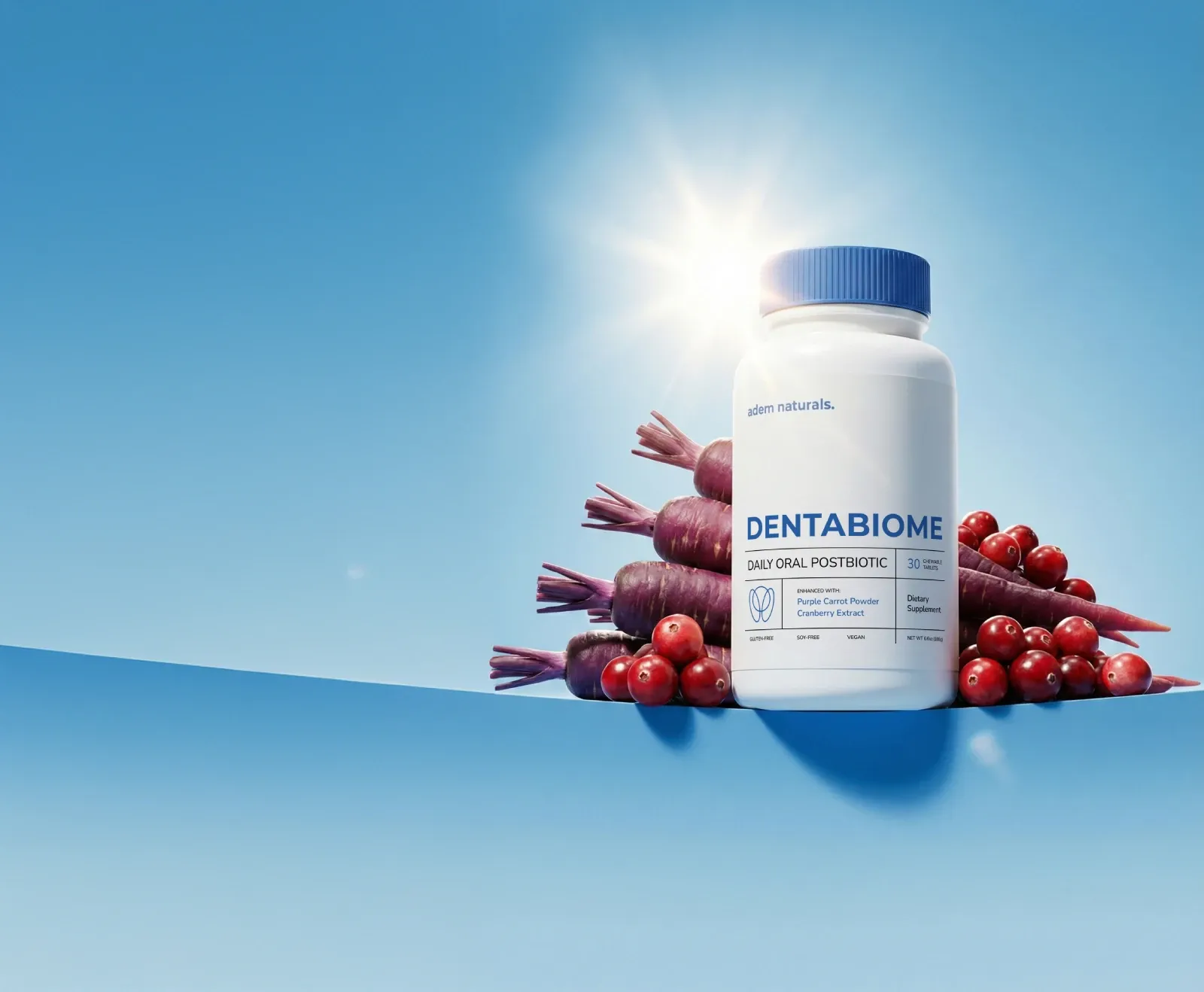
One product designed around this concept is DentaBiome, a chewable oral postbiotic formula from Adem Naturals.
According to the manufacturer, DentaBiome is designed to support a balanced oral microbiome, healthy gums, stronger teeth, and fresher breath. Its formula includes postbiotic compounds along with ingredients such as xylitol, cranberry extract, purple carrot powder, and an enzyme blend.
The idea is different from simply using a mint to cover an odor.
Instead, the product is positioned as an additional daily oral-care step designed to support the environment inside your mouth.
Want to See DentaBiome?
If you’re interested in exploring DentaBiome and checking the current product details, ingredients, and availability, you can learn more here:
Check DentaBiome & See Current Availability
Disclosure: This article contains an affiliate link. If you purchase through the link, I may receive a commission at no additional cost to you.
10. Visit Your Dentist If Bad Breath Won’t Go Away
Sometimes persistent bad breath isn’t simply a hygiene problem.
Bad breath can be associated with gum disease, tooth decay, oral infections, tonsil stones, dry mouth, sinus or throat problems, and certain medical conditions.
If you’ve improved your brushing, flossing, tongue cleaning, hydration, and other habits but your breath still smells unpleasant, it’s worth getting professional advice.
Your dentist can look for issues such as plaque buildup, cavities, gum disease, or other oral problems.
For example, persistent bad breath accompanied by swollen or bleeding gums can be a sign of gum disease and deserves dental attention.
A Simple Daily Routine for Fresher Breath
If you’re wondering how to get rid of bad breath without making your routine complicated, start with this simple checklist.
Morning
- Brush your teeth with fluoride toothpaste.
- Gently clean your tongue.
- Drink water.
- If recommended for you, use an appropriate mouthwash or interdental cleaner.
During the Day
- Drink water regularly.
- Clean between your teeth at least once daily.
- Limit tobacco.
- Pay attention to foods that noticeably affect your breath.
- Avoid letting your mouth become excessively dry.
Evening
- Brush your teeth again.
- Floss or use an interdental cleaner.
- Clean your tongue gently.
- Follow your dentist’s recommended oral-care routine.
Consistency matters more than having a bathroom cabinet full of products.
What About “Natural” Bad Breath Remedies?
You’ll find countless online suggestions involving herbs, oils, spices, lemon water, and other home remedies.
Some may temporarily make your mouth feel fresher, but temporary freshness isn’t necessarily the same as solving the cause of persistent halitosis.
If bad breath is caused by plaque, gum disease, tooth decay, dry mouth, or another underlying problem, identifying and addressing that cause is more important than simply covering the odor.
Be particularly cautious with anything acidic or abrasive that could irritate your teeth or gums.
Can Bad Breath Be a Sign of Gum Problems?
Yes.
Gum disease can cause persistent bad breath because bacterial buildup can develop around the gums and in deeper pockets around teeth.
Other warning signs can include:
- Bleeding gums
- Swollen or tender gums
- Red or darkened gums
- Persistent bad breath
- Pus around the gums
- Loose teeth
- Receding gums
These symptoms shouldn’t be ignored.
If you recognize several of these signs, scheduling a dental examination is more important than simply buying another breath-freshening product.
Why Bad Breath May Keep Coming Back
One of the biggest frustrations with bad breath is when it disappears temporarily and then returns.
This can happen because you’re treating the symptom rather than the source.
For example:
Mint → fresher smell temporarily → underlying issue remains
Whereas:
Brushing + flossing + tongue cleaning + hydration + professional dental care → addresses several common contributors
And for people interested in oral microbiome support, an oral postbiotic such as DentaBiome may be considered as an additional part of an established routine.
The manufacturer describes DentaBiome as something intended to complement, rather than replace, brushing, flossing, and dental examinations.
Final Thoughts: How to Get Rid of Bad Breath
If you’ve been searching for how to get rid of bad breath, don’t assume that you simply need a stronger mint or mouthwash.
Start with the basics:
- Brush twice daily
- Clean your tongue
- Floss or clean between your teeth daily
- Drink enough water
- Keep dental appliances clean
- Avoid tobacco
- Pay attention to foods that trigger noticeable odor
- Maintain regular dental checkups
- Investigate persistent dry mouth
- Consider products designed to support oral microbiome balance
For an additional oral-care option, DentaBiome’s chewable postbiotic formula is designed around supporting oral microbiome balance and fresher breath. Its manufacturer lists ingredients including postbiotic compounds, xylitol, cranberry extract, purple carrot powder, and an enzyme complex.
Explore DentaBiome and Check Current Availability →
Remember: if your bad breath is persistent, severe, or accompanied by bleeding/swollen gums, tooth pain, loose teeth, or other unusual symptoms, see a dentist or healthcare professional. Treating the underlying cause is more important than simply masking the smell.
Frequently Asked Questions
What is the fastest way to get rid of bad breath?
Brushing your teeth, cleaning your tongue, flossing, and drinking water can help improve common causes of bad breath. However, if an underlying dental or medical condition is responsible, professional treatment may be necessary.
Why does my breath smell bad even after brushing?
Brushing doesn’t remove every possible source of odor. Bacteria on the tongue, plaque between teeth, gum problems, dry mouth, certain foods, and other conditions can contribute to persistent bad breath.
Does drinking water help bad breath?
Staying hydrated can help when dry mouth contributes to bad breath because saliva helps cleanse the mouth. Persistent dry mouth should be discussed with a healthcare professional.
Should I clean my tongue every day?
Gentle tongue cleaning can help remove bacteria and debris that contribute to unpleasant odors. Mayo Clinic specifically recommends carefully brushing the tongue as part of bad-breath prevention.
Can an oral microbiome supplement help with bad breath?
Some products are formulated to support the oral microbiome. DentaBiome, for example, is marketed as a daily chewable oral postbiotic designed to support oral microbiome balance and fresher breath. However, it should complement—not replace—regular brushing, flossing, dental care, and treatment of any underlying condition.
When should I see a dentist about bad breath?
If your bad breath continues despite improving your oral-care routine, or if you have symptoms such as bleeding gums, swollen gums, tooth pain, loose teeth, or other unusual oral symptoms, schedule a dental examination. Persistent bad breath can sometimes be associated with gum disease or other conditions that need treatment.
Affiliate Disclosure: This article is for educational and informational purposes. It is not a substitute for professional dental or medical advice. This post may contain affiliate links, meaning I may earn a commission if you make a purchase through a link, at no additional cost to you.