
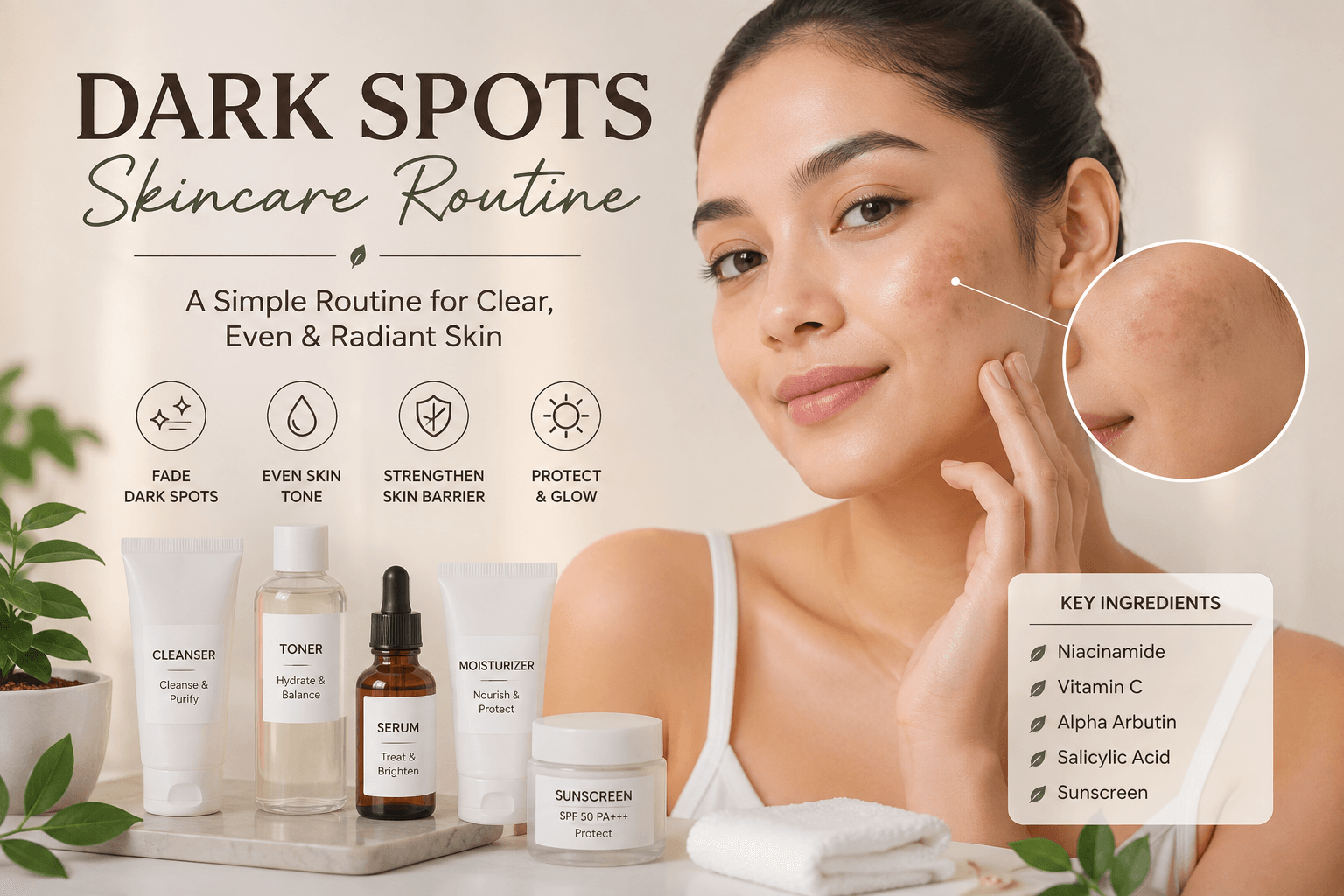
A consistent dark spots skincare routine is the single biggest factor in whether hyperpigmentation fades in weeks or lingers for years. Dark spots — also called hyperpigmentation, sun spots, or age spots — happen when your skin produces excess melanin in response to sun exposure, acne scarring, hormonal changes, or inflammation. The good news is that with the right routine and a little patience, most dark spots can be visibly reduced.
In this guide, you’ll learn exactly how to structure a dark spots skincare routine step-by-step, which ingredients actually work, and which common mistakes quietly sabotage your progress.
What Causes Dark Spots?
Before building a dark spots skincare routine, it helps to understand what you’re treating. According to the American Academy of Dermatology, hyperpigmentation develops when melanocytes (the cells that produce pigment) go into overdrive. Common triggers include:
- UV exposure — the number one cause of sun spots and age spots
- Post-inflammatory hyperpigmentation — dark marks left behind after acne, cuts, or burns
- Hormonal shifts — pregnancy or birth control can trigger melasma
- Aging skin turnover — slower cell renewal means pigment sits on the surface longer
Because these causes differ, an effective dark spots skincare routine usually combines prevention (sun protection), exfoliation (cell turnover), and targeted brightening treatments.
Building an Effective Dark Spots Skincare Routine
Here’s a simple, repeatable dark spots skincare routine you can follow morning and night.
Step 1: Start With a Gentle Cleanser
Harsh cleansers strip the skin barrier, which can actually worsen inflammation and pigmentation. Use a sulfate-free, pH-balanced cleanser both morning and night to prep your skin without irritation.
Step 2: Exfoliate 2–3 Times a Week
Gentle chemical exfoliation with AHAs (like glycolic or lactic acid) helps slough off pigmented surface cells and speeds up cell turnover. Avoid harsh physical scrubs, which can create micro-tears and worsen dark marks over time.
Step 3: Apply a Targeted Brightening Serum
This is the core of any dark spots skincare routine. Look for serums with ingredients such as vitamin C, alpha-arbutin, licorice root extract, or niacinamide, which are commonly used to visibly reduce the appearance of discoloration over consistent use.
If you want a serum built specifically around this goal, Illuderma is formulated with a blend of skin-brightening botanicals and antioxidants and is designed to be layered into a morning or evening routine as a lightweight, hydrating step.
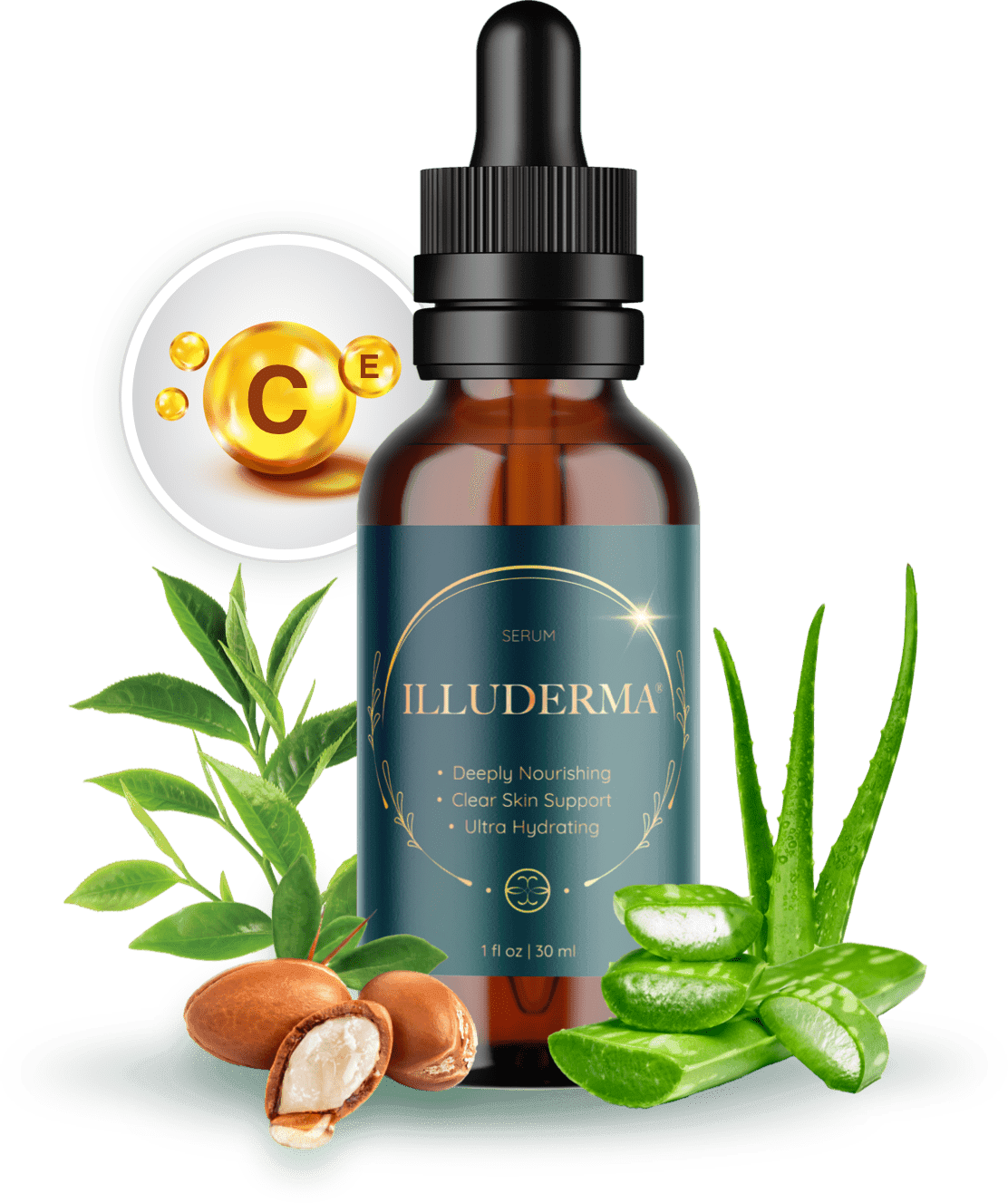
Disclosure: this is an affiliate link — I may earn a small commission if you purchase through it, at no extra cost to you.
Step 4: Use a Dedicated Spot-Lightening Treatment
For more stubborn, established dark spots — like old acne marks or sun spots that haven’t budged — a concentrated spot treatment can be layered on top of your serum. Products in this category are typically applied directly to the pigmented area rather than the whole face.
One option worth researching is Illuminatural 6i, which is marketed as an advanced skin-lightening gel formulated without mercury or steroids, intended for use on localized areas like freckles, moles, and blemish marks as part of a broader routine.
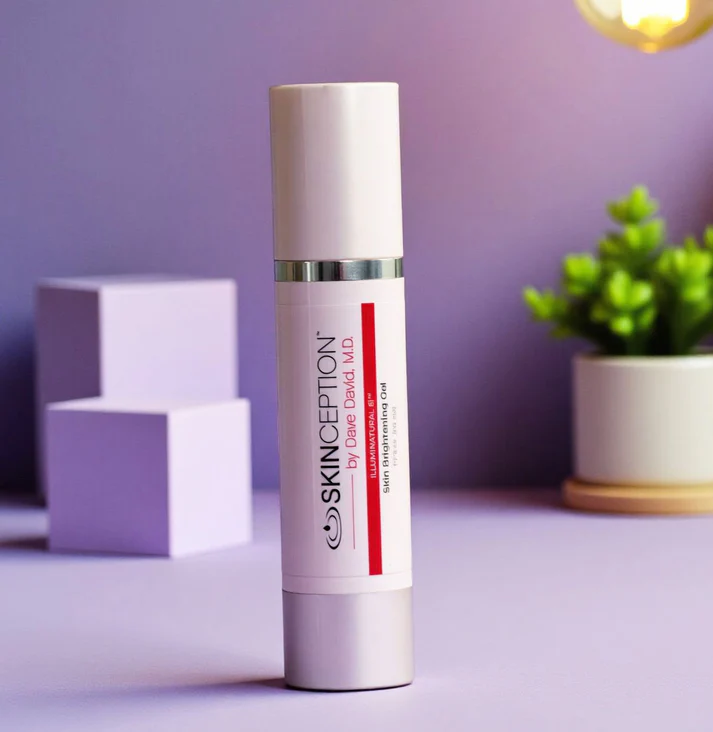
Disclosure: this is an affiliate link.
Step 5: Address Textured Scarring Separately
Not every dark mark is flat pigmentation — some are raised, pitted, or textured scars left behind by acne or injury, which can look darker due to shadowing and uneven texture. These generally respond better to scar-focused formulas than to brightening serums alone.
For this specific concern, Dermefface FX7 is positioned as a scar-reduction therapy designed to work on both older and newly developing scars, which can be a useful add-on step if textured marks are part of what you’re treating.
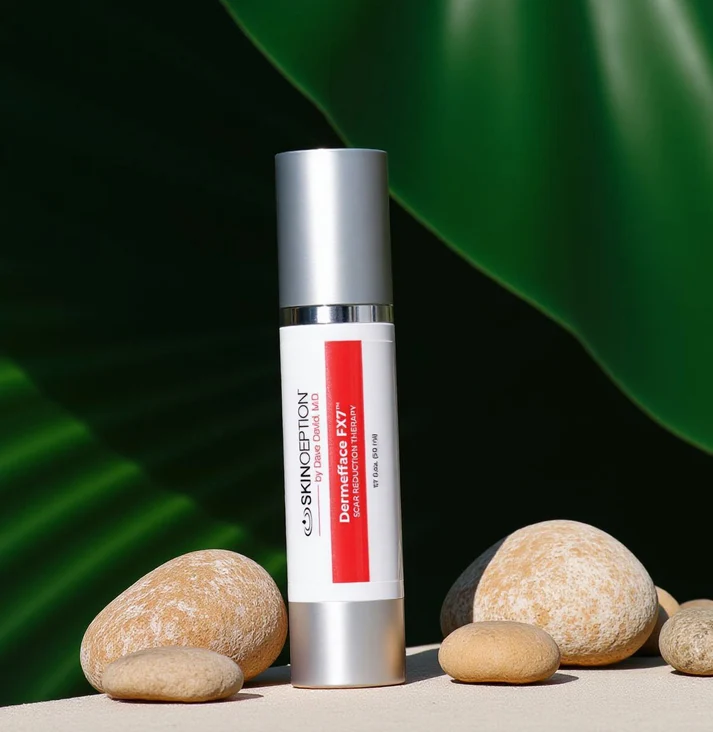
Disclosure: this is an affiliate link.
Step 6: Moisturize to Support the Skin Barrier
A compromised barrier heals slower and is more prone to post-inflammatory pigmentation. Follow your treatments with a fragrance-free moisturizer to lock in hydration and support repair overnight.
Step 7: Never Skip Sunscreen
This step makes or breaks your dark spots skincare routine. Even the best brightening serum can’t outpace daily UV exposure. Apply a broad-spectrum SPF 30+ every single morning — reapplying every two hours if you’re outdoors — as recommended by the Skin Cancer Foundation.
Common Mistakes That Sabotage a Dark Spots Skincare Routine
- Skipping SPF — undoes weeks of progress in a single sunny afternoon
- Over-exfoliating — irritation can trigger more pigmentation, not less
- Expecting overnight results — most ingredients need 8–12 weeks of consistent use
- Mixing too many actives at once — layering multiple strong acids or retinoids can irritate skin and backfire
- Picking at acne or scabs — this is one of the most common causes of new dark marks
How Long Does It Take to See Results?
Most dermatologist-recommended brightening ingredients take 6 to 12 weeks of consistent daily use before visible fading occurs, since this mirrors your skin’s natural cell turnover cycle. Photograph your skin weekly under the same lighting to track subtle progress that’s easy to miss day-to-day.
FAQ: Dark Spots Skincare Routine
Can dark spots disappear completely? Many surface-level spots fade significantly with consistent treatment and sun protection, though very deep or long-standing pigmentation may only lighten rather than vanish entirely.
What ingredient works fastest for dark spots? Vitamin C and alpha-arbutin are widely used for their brightening effects, but “fast” is relative — expect gradual improvement over weeks, not days.
Do I need a dermatologist for dark spots? If spots change shape, color, or size rapidly, see a dermatologist to rule out other skin conditions before starting any routine.
Final Thoughts
A dark spots skincare routine works best when it’s simple, consistent, and layered correctly: cleanse, exfoliate, treat, moisturize, and protect. Small, steady habits — not harsh one-time treatments — are what actually fade pigmentation over time.
This article contains affiliate links. If you purchase through them, I may earn a commission at no additional cost to you. Always patch-test new products and consult a dermatologist for persistent or concerning skin changes.