

Understanding the Relationship Between Makeup and Acne
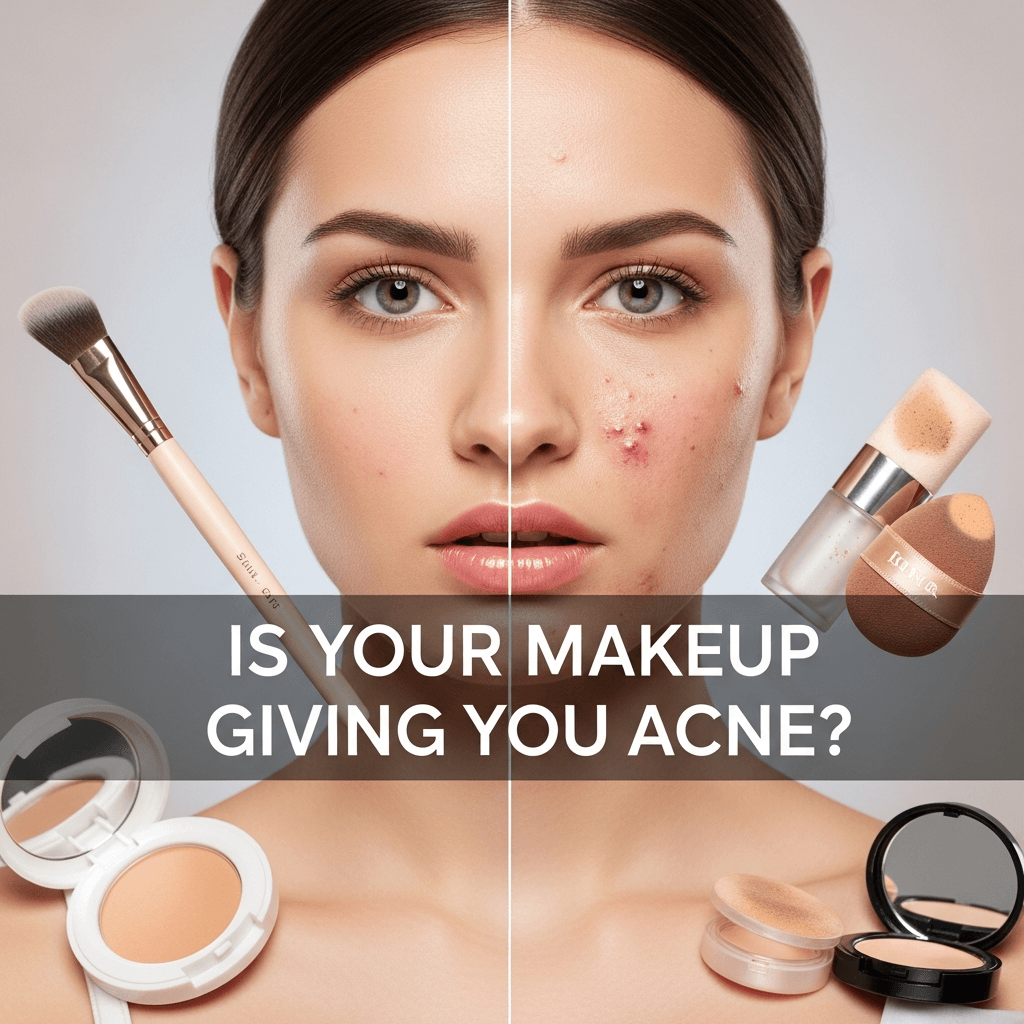
Acne is a multifactorial skin condition influenced by sebum production, follicular blockage, bacterial proliferation, and inflammation. While hormones, genetics, and lifestyle play defining roles, makeup products can significantly aggravate or trigger breakouts when they interfere with the skin’s natural balance. We recognize that cosmetics are a daily necessity for many, yet improper formulation choices, application habits, and removal practices may compromise skin health and precipitate acne.
This guide provides a clear, authoritative analysis of how makeup can contribute to acne, how to identify problematic products, and how to build an acne-conscious cosmetic routine that supports clear, resilient skin.
How Makeup Can Trigger Acne Formation
Pore Occlusion and Comedogenic Ingredients
Certain cosmetic ingredients can occlude pores, trapping oil and debris beneath the skin’s surface. This process leads to comedone formation, presenting as blackheads and whiteheads. Products labeled comedogenic are more likely to block pores, especially in individuals with oily or acne-prone skin.
Microbial Imbalance
Makeup that remains on the skin for extended periods creates a warm, occlusive environment that can promote bacterial growth. When combined with excess oil, this environment can exacerbate inflammatory acne lesions.
Skin Barrier Disruption
Harsh preservatives, fragrances, and alcohols in cosmetics can weaken the skin barrier, increasing transepidermal water loss and inflammation. A compromised barrier is more susceptible to acne flares and delayed healing.
Common Makeup Ingredients That May Cause Acne
Highly Comedogenic Oils and Waxes
Ingredients such as coconut oil, wheat germ oil, and lanolin possess high comedogenic ratings. While nourishing for dry skin, they may provoke acne in those prone to clogged pores.
Silicones and Occlusive Polymers
Silicones like dimethicone can trap impurities if layered excessively or inadequately removed. While not inherently acne-causing, misuse may contribute to breakouts.
Artificial Fragrances and Dyes
Synthetic fragrances and dyes are frequent causes of contact irritation, which can worsen acne through inflammatory pathways.
Heavy Pigments and Fillers
Foundations and concealers with dense pigments may accumulate within pores, especially when layered heavily or worn for prolonged durations.
Makeup Categories Most Likely to Cause Breakouts
Foundation and Concealer
Thick, full-coverage formulas often contain occlusive agents to ensure longevity. These products can suffocate pores when used daily without meticulous cleansing.
Powders and Blushes
Pressed powders may harbor bacteria over time, while mineral pigments can irritate sensitive skin if improperly formulated.
Eye Makeup and Facial Acne
Eye products can migrate across the face, especially during heat and humidity, potentially clogging pores along the cheeks and temples.
Signs Your Makeup Is Causing Acne
-
Breakouts appearing in new or unusual areas
-
Acne flares shortly after introducing a new product
-
Clusters of uniform bumps, indicating cosmetic acne
-
Persistent congestion despite proper skincare
Recognizing these patterns allows for targeted intervention rather than unnecessary treatment escalation.
How to Choose Acne-Safe Makeup
Look for Non-Comedogenic Labels
Products tested and labeled non-comedogenic are designed to minimize pore blockage. While not infallible, these labels provide a helpful starting point.
Prioritize Oil-Free and Water-Based Formulas
Oil-free formulations reduce the risk of pore congestion, particularly for individuals with seborrheic tendencies.
Select Minimalist Ingredient Lists
Shorter ingredient lists reduce the likelihood of irritants and comedogenic agents.
Opt for Dermatologist-Tested Products
Clinical testing under dermatological supervision enhances product safety for acne-prone skin.
Proper Makeup Application Practices to Prevent Acne
Clean Tools Are Essential
Makeup brushes and sponges accumulate oil, bacteria, and dead skin cells. We recommend weekly cleansing with a gentle antimicrobial cleanser to prevent microbial transfer.
Apply Makeup on Well-Prepared Skin
Hydrated, primed skin reduces friction and minimizes product buildup within pores. Use a lightweight, non-comedogenic moisturizer before makeup application.
Avoid Excessive Layering
Layering multiple products increases occlusion. Strategic application ensures coverage without compromising skin health.
The Importance of Thorough Makeup Removal
Double Cleansing for Complete Removal
An oil-based cleanser followed by a gentle foaming cleanser effectively dissolves makeup while preserving the skin barrier.
Avoid Harsh Scrubbing
Aggressive cleansing induces micro-inflammation and worsens acne. Gentle massage techniques are sufficient for thorough removal.
Never Sleep in Makeup
Overnight wear significantly increases the risk of inflammatory acne and delayed skin recovery.
Makeup Hygiene and Product Lifecycle
Replace Products Regularly
Liquid products should be replaced every 6–12 months, while powders last 12–24 months. Expired makeup harbors bacteria and oxidized ingredients.
Avoid Sharing Cosmetics
Shared products facilitate bacterial transmission and increase acne risk.
Makeup Alternatives for Acne-Prone Skin
Mineral Makeup with Caution
High-quality mineral makeup can benefit sensitive skin, yet poorly formulated options may still clog pores. Ingredient scrutiny remains essential.
Tinted Sunscreens and BB Creams
Multifunctional products reduce layering and provide coverage while supporting skin health.
Balancing Makeup Use with Acne Treatment
Makeup does not need to be eliminated during acne treatment. We advocate for strategic product selection, consistent hygiene, and supportive skincare to maintain confidence without compromising therapeutic outcomes.
Long-Term Skin Health Strategies
-
Maintain a consistent skincare routine
-
Monitor skin responses to new products
-
Support the skin barrier with ceramides and humectants
-
Seek professional guidance for persistent acne
Conclusion: Makeup Can Be Acne-Friendly with the Right Approach
Makeup itself is not inherently harmful; rather, informed choices and disciplined habits determine its impact on acne. By understanding ingredient profiles, adopting hygienic practices, and prioritizing skin compatibility, we can enjoy cosmetics while preserving clear, balanced skin. Acne-conscious makeup routines empower individuals to express themselves confidently without compromising dermatological health.