

Moisturising acne prone skin feels confusing for many people.
However, skipping moisturizer often makes breakouts worse.
Therefore, learning the correct method is extremely important.
With the right approach, skin can stay hydrated without clogging pores.
This guide explains safe, effective, and dermatologist-approved moisturising steps.
Moreover, it helps you avoid common mistakes that trigger acne.
Let us begin with the basics.
Why Moisturising Acne Prone Skin Is Essential
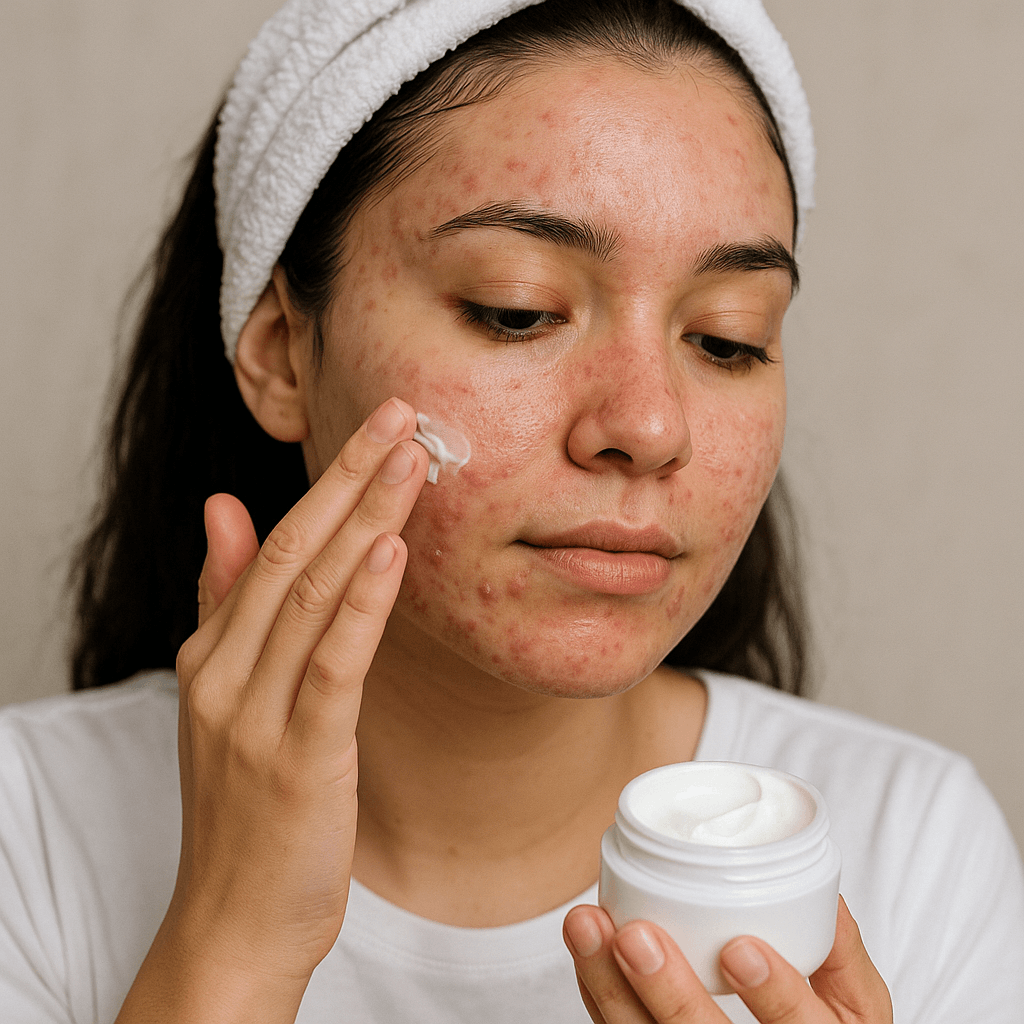
Acne prone skin still needs hydration every single day.
Without moisture, skin produces more oil to compensate.
As a result, pores clog faster and inflammation increases.
Moisturiser also protects the skin barrier.
A healthy barrier reduces redness, irritation, and bacterial growth.
Therefore, proper hydration supports clearer skin long term.
Choose the Right Moisturiser for Acne Prone Skin
Selecting the correct product changes everything.
First, always look for non-comedogenic labels.
These formulas do not block pores or trap oil.
Additionally, choose oil-free or water-based moisturisers.
Gel textures usually work better for acne prone skin.
They feel light and absorb quickly.
Furthermore, avoid heavy creams with mineral oil.
Such ingredients can worsen breakouts over time.
Instead, focus on breathable and lightweight hydration.
Best Ingredients for Moisturising Acne Prone Skin
Certain ingredients hydrate without causing pimples.
Hyaluronic acid is one of the best options.
It attracts water without adding oil.
Niacinamide also works extremely well.
It controls oil while calming inflammation.
Moreover, it improves skin texture gradually.
Ceramides strengthen the skin barrier.
They prevent moisture loss and irritation.
As a result, skin heals faster after breakouts.
Aloe vera soothes active acne gently.
It hydrates while reducing redness.
Therefore, sensitive acne prone skin benefits greatly.
Ingredients to Avoid in Acne Prone Moisturisers
Some ingredients silently trigger acne.
Fragrances often cause irritation and sensitivity.
Therefore, fragrance-free products are safer.
Alcohol denat dries the skin excessively.
This dryness forces oil glands to overwork.
Consequently, breakouts appear more frequently.
Coconut oil clogs pores for many skin types.
Although natural, it is not acne-safe.
Hence, always read ingredient lists carefully.
How to Apply Moisturiser on Acne Prone Skin
Application technique matters more than people think.
First, cleanse your face gently with a mild cleanser.
Never scrub harshly or over-clean.
Next, apply moisturiser on slightly damp skin.
This method locks hydration more effectively.
Use a pea-sized amount only.
Then, spread the product softly using clean fingers.
Avoid rubbing aggressively or pulling the skin.
Patting motions work best.
Wait at least one minute before applying sunscreen.
This allows proper absorption.
Layering correctly prevents pilling and irritation.
Moisturising Acne Prone Skin in the Morning
Morning hydration prepares skin for daily stress.
Choose a lightweight gel moisturiser for daytime.
It should absorb quickly and feel invisible.
After moisturising, always apply sunscreen.
Sun protection prevents acne marks from darkening.
Moreover, it reduces inflammation caused by UV rays.
A hydrated morning routine controls oil throughout the day.
Therefore, makeup sits better and lasts longer.
Night-Time Moisturising for Acne Prone Skin
Night is repair time for the skin.
Use a slightly more nourishing moisturiser at night.
However, it should still remain non-comedogenic.
Night moisturisers help heal acne damage.
They also support skin renewal during sleep.
As a result, skin looks calmer by morning.
If using acne treatments, moisturise afterward.
This reduces dryness and irritation significantly.
Balanced skin heals faster and breaks out less.
Common Moisturising Mistakes Acne Prone Skin Must Avoid
Over-moisturising is a frequent mistake.
Too much product can suffocate pores.
Therefore, moderation is key.
Skipping moisturiser after acne treatments is harmful.
Treatments dry the skin aggressively.
Without hydration, acne worsens over time.
Using body lotions on the face is risky.
These formulas are often too heavy.
Always use products designed for facial skin.
Lifestyle Tips That Support Acne Safe Hydration
Hydration also starts from within.
Drink enough water daily for healthy skin.
Balanced hydration improves skin texture naturally.
Avoid touching your face frequently.
Dirty hands transfer bacteria easily.
This habit increases breakouts quickly.
Change pillowcases regularly.
Clean fabrics reduce acne-causing bacteria.
Small habits create big improvements.
Final Thoughts on Moisturising Acne Prone Skin
Moisturising acne prone skin is not optional.
It is a critical step for clear, balanced skin.
With the right products, acne improves steadily.
Focus on lightweight, non-comedogenic hydration.
Apply correctly and consistently every day.
Over time, skin becomes calmer and healthier.
Clear skin begins with proper moisture balance.
Therefore, never fear moisturiser again.